Rare Coins Daily Rare coin guides and inquiries
Pocket change hunting

Pocket Change Guide

A practical field guide for checking common U.S. change before it disappears back into circulation.

Lesson cards

Open a section to learn the checks

Each card opens a larger beginner-friendly guide with reference images, plain-English explanation, first step, diagnostics, and common mistakes.

Learning order

Identify the coin family first. Then use dates, mint marks, edges, weight, and reference photos to decide whether it deserves deeper research.

Cents Lesson
Cents Beginner check

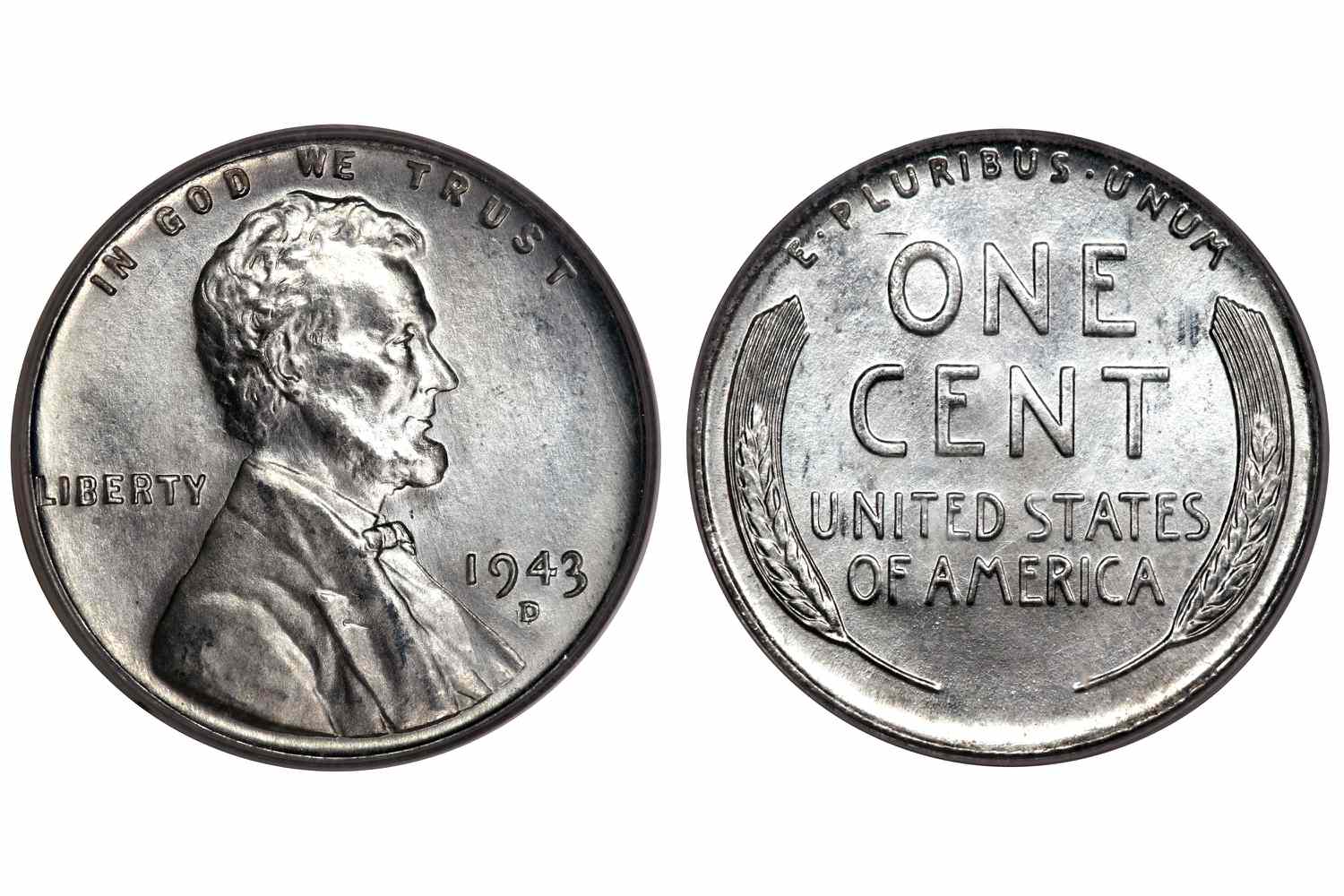
Early cents: Wheat, Indian Head, and steel cents

Classic small cents that still turn up in rolls, jars, estate boxes, and older change accumulations.

1

1943 steel cents should attract to a basic handheld magnet.

2

Wheat cent reverses with separated wheat lines are usually more desirable than flat, heavily worn pieces.
Cents Lesson
Cents Beginner check

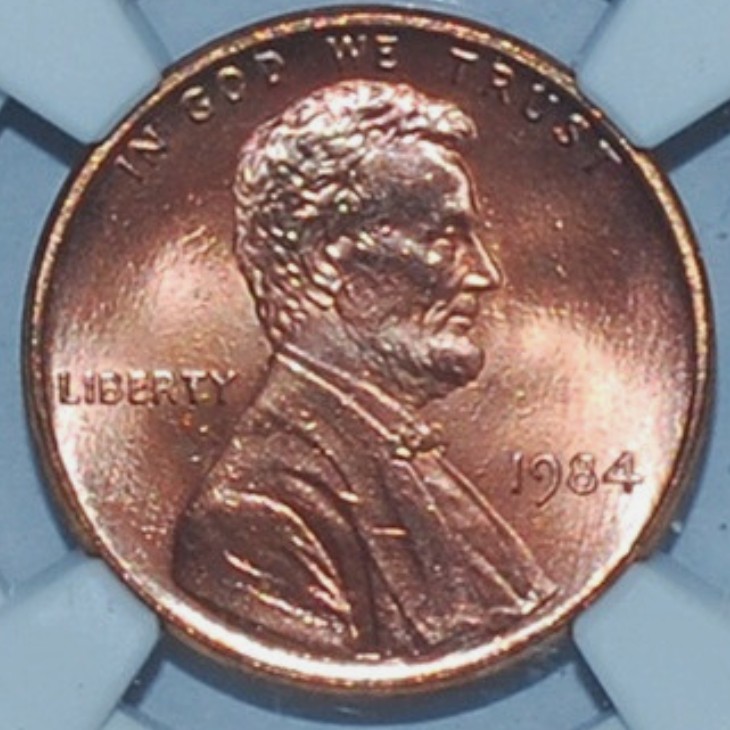
1984 Lincoln cent doubled ear variety

A well-known doubled die obverse variety affecting Lincoln's ear detail.

1

Look for a raised, rounded duplicate earlobe below the normal earlobe.

2

Check under magnification; the extra detail should look like part of the struck design, not a bubble.

Cents Lesson
Cents Beginner check

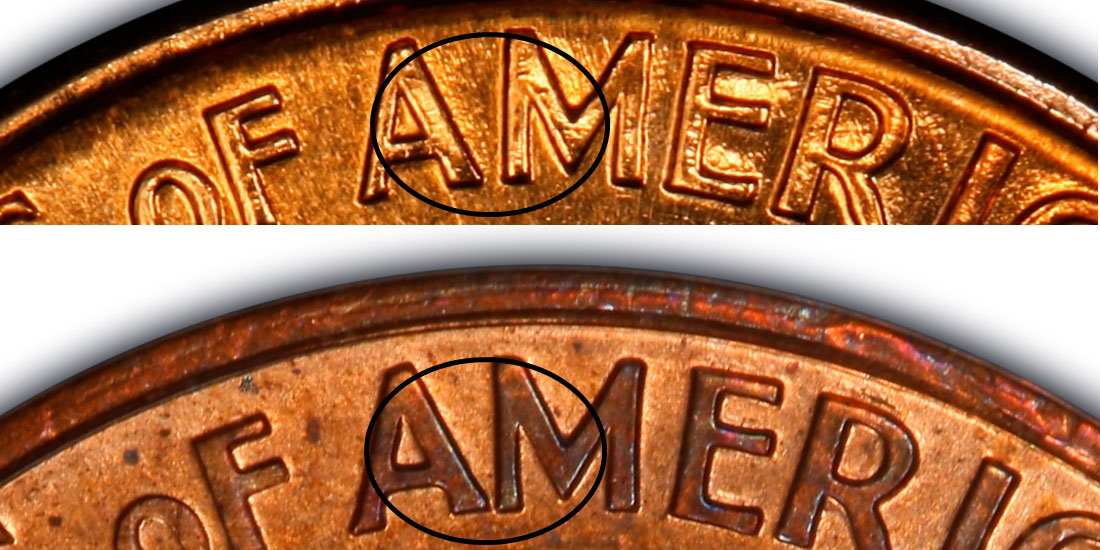
Close AM and Wide AM Lincoln cents

Reverse design varieties where proof and business-strike reverse styles were used on the wrong cents.

1

For 1992 and 1992-D Close AM cents, the A and M in AMERICA are nearly touching.

2

For 1998, 1999, and 2000 Wide AM cents, the A and M show a clear gap.

Cents Lesson
Cents Beginner check

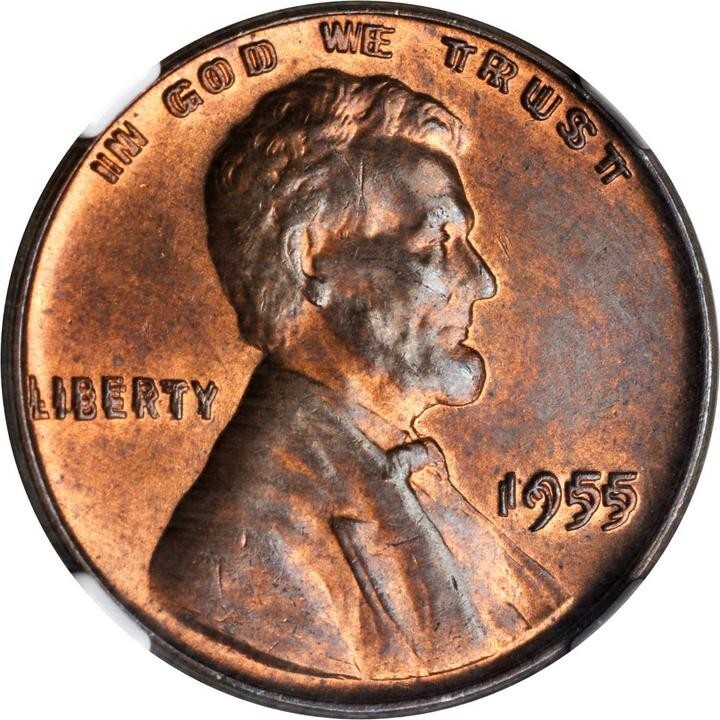
1955, 1969-S, and 1972 doubled die cents

Major Lincoln cent doubled dies with raised design duplication from the die itself.

1

The 1955 doubled die shows dramatic doubling on IN GOD WE TRUST, LIBERTY, and the date.

2

On the 1969-S doubled die, the S mint mark should not be doubled because it was added after the doubled die was made.

Cents Lesson
Cents Beginner check

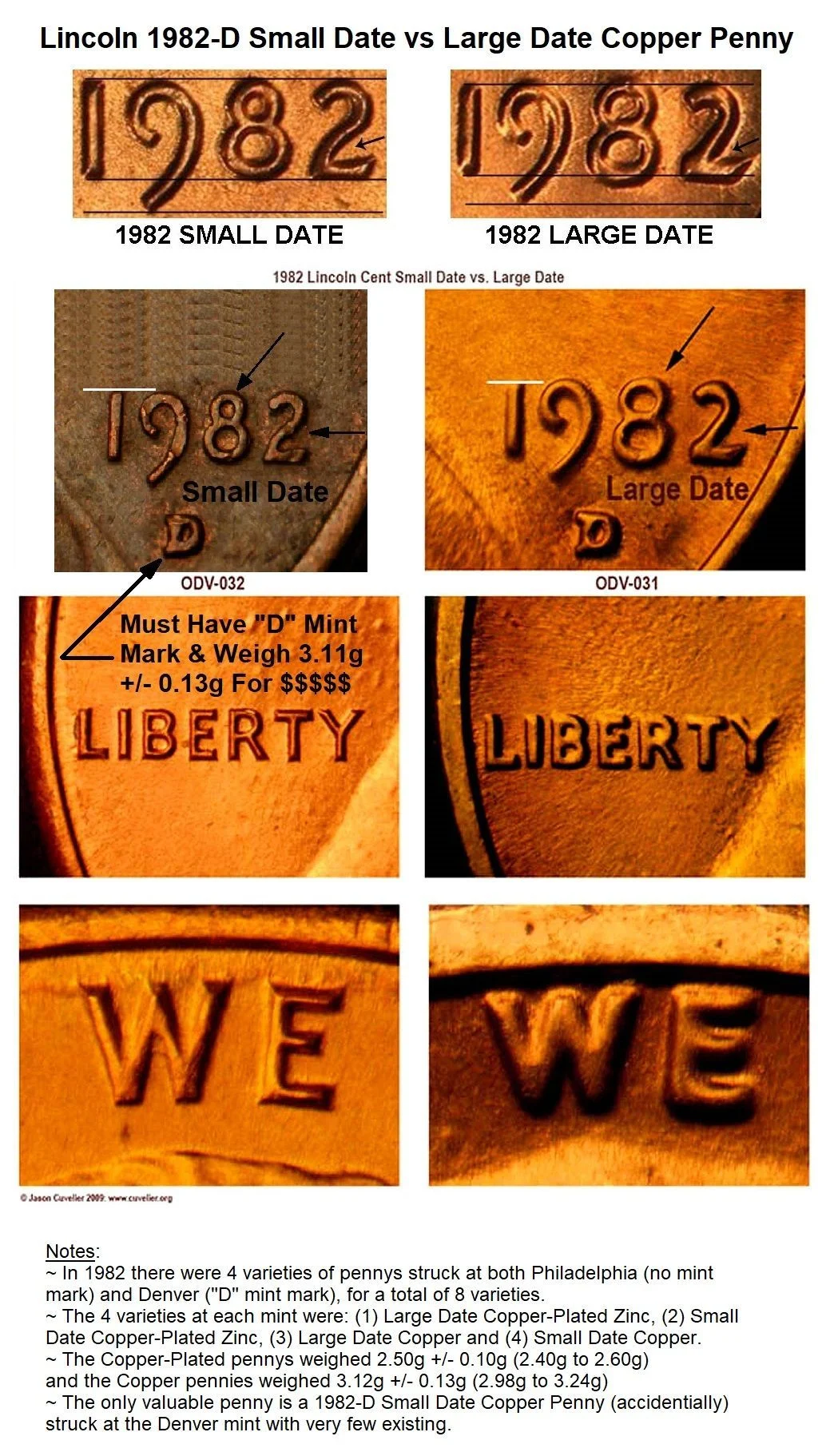
1982 and 1983 cent weight and no-mint varieties

Transition-era cents where date style, mint mark, and planchet weight matter.

1

Copper 1982 cents weigh about 3.11 grams; zinc cents weigh about 2.50 grams.

2

A precision scale is required before treating a 1982 cent as a serious variety candidate.

Nickels Lesson
Nickels Beginner check

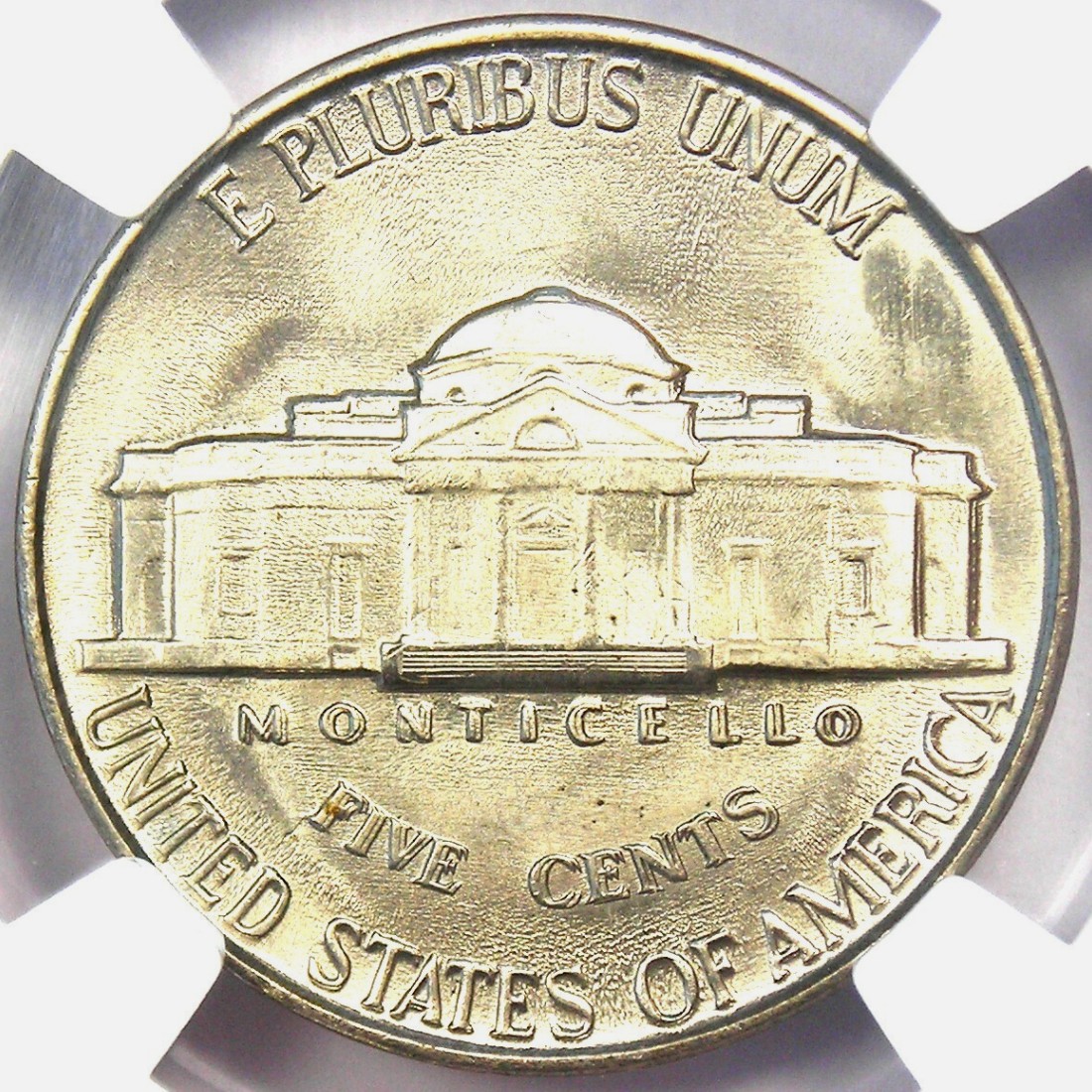
1939 Jefferson nickel doubled Monticello

A major Jefferson nickel reverse variety with strong doubling on Monticello and denomination text.

1

Inspect MONTICELLO and FIVE CENTS for sharp horizontal doubling.

2

Look for doubling on building details, columns, and step lines.

Silver Lesson
Silver Beginner check

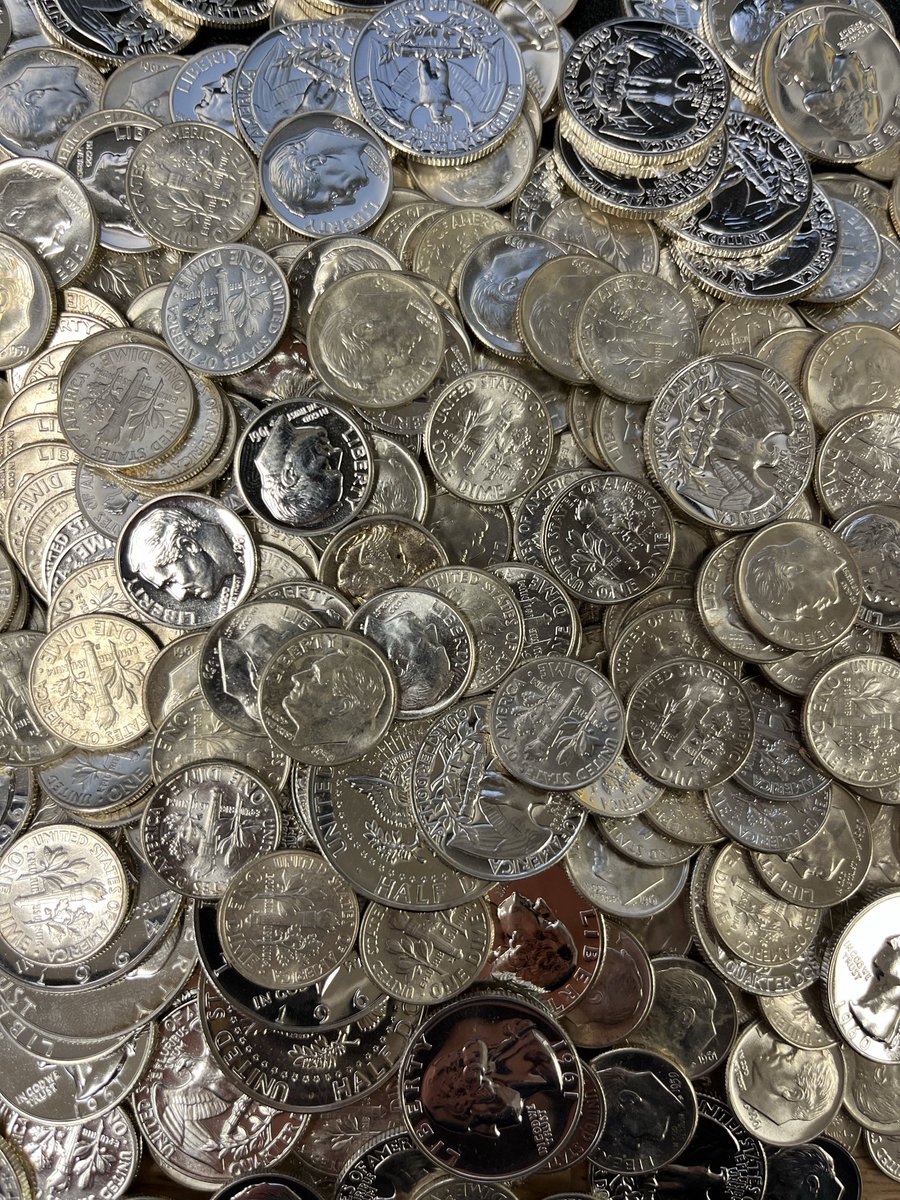
Pre-1965 silver dimes, quarters, and halves

Ninety-percent silver U.S. coinage that can occasionally appear in change or bank rolls.

1

Check the reeded edge for a solid silver-colored edge with no copper sandwich layer.

2

A silver quarter weighs about 6.25 grams when unworn; modern clad quarters weigh about 5.67 grams.

Dimes Lesson
Dimes Beginner check

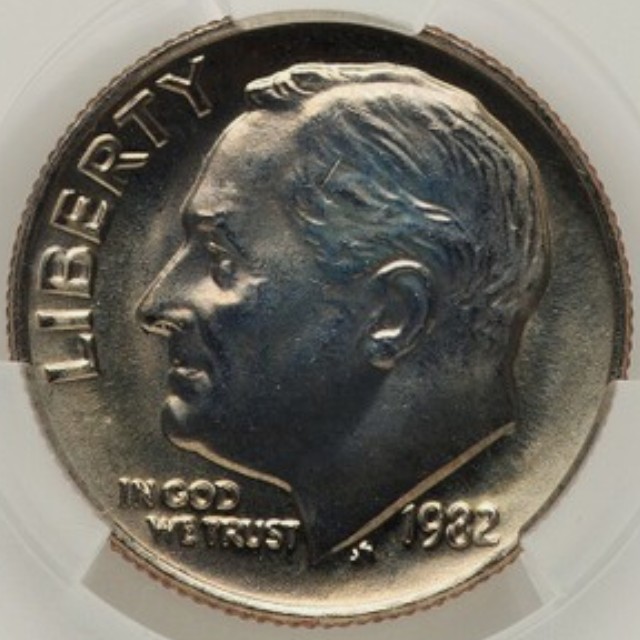
1982 no-mint-mark Roosevelt dime

A modern Roosevelt dime variety where the Philadelphia mint mark is completely absent.

1

Look above the date and near Roosevelt's neck base where the P mint mark should appear.

2

The missing mint mark area should be fully absent, not weak or ghosted.

Quarters Lesson
Quarters Beginner check

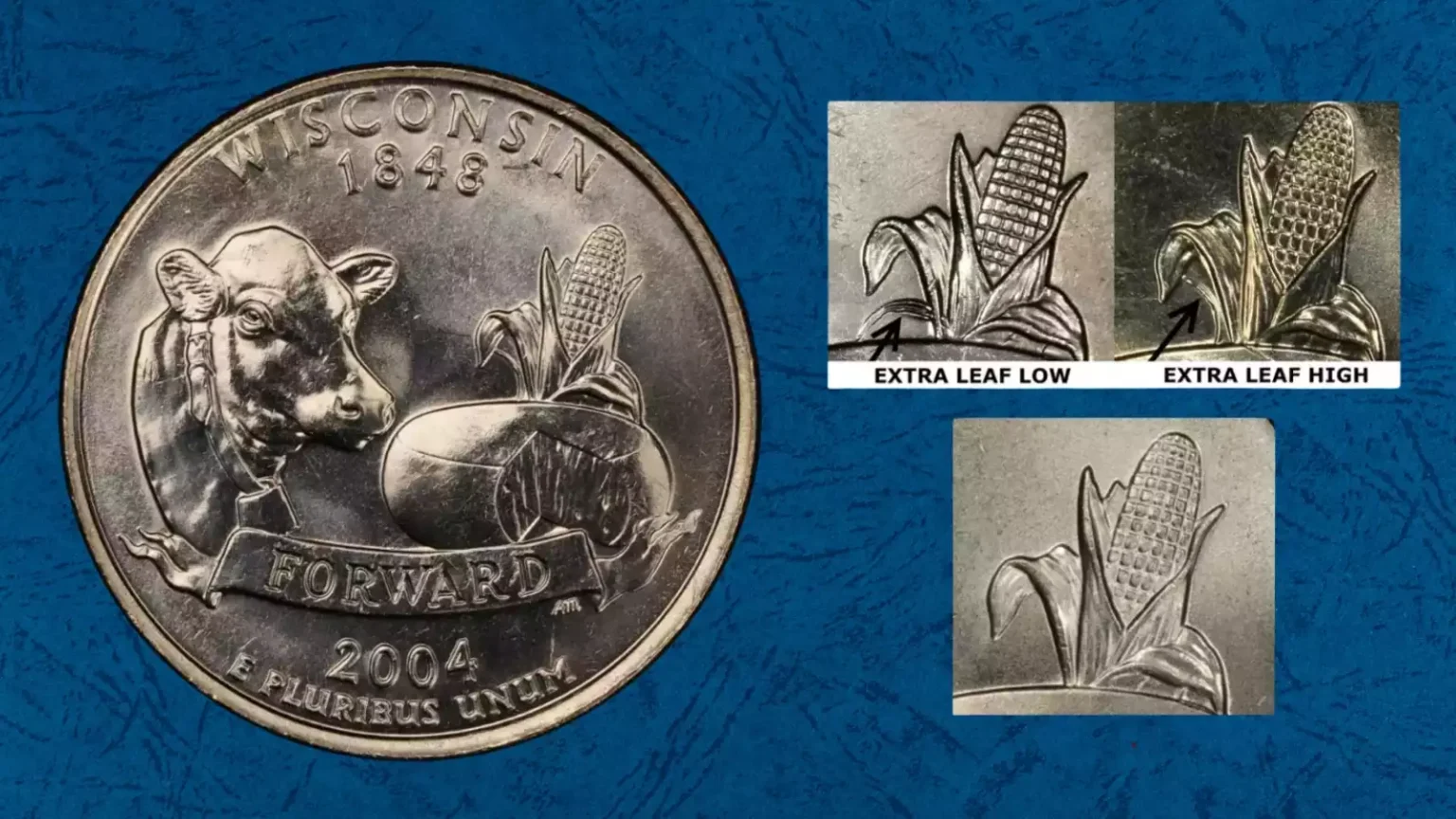
2004-D Wisconsin extra leaf quarter

A famous state quarter variety with extra raised leaf detail near the corn stalk.

1

Extra High Leaf shows a raised leaf curving upward near the corn.

2

Extra Low Leaf shows a raised element lower across the background field.

Halves Lesson
Halves Beginner check

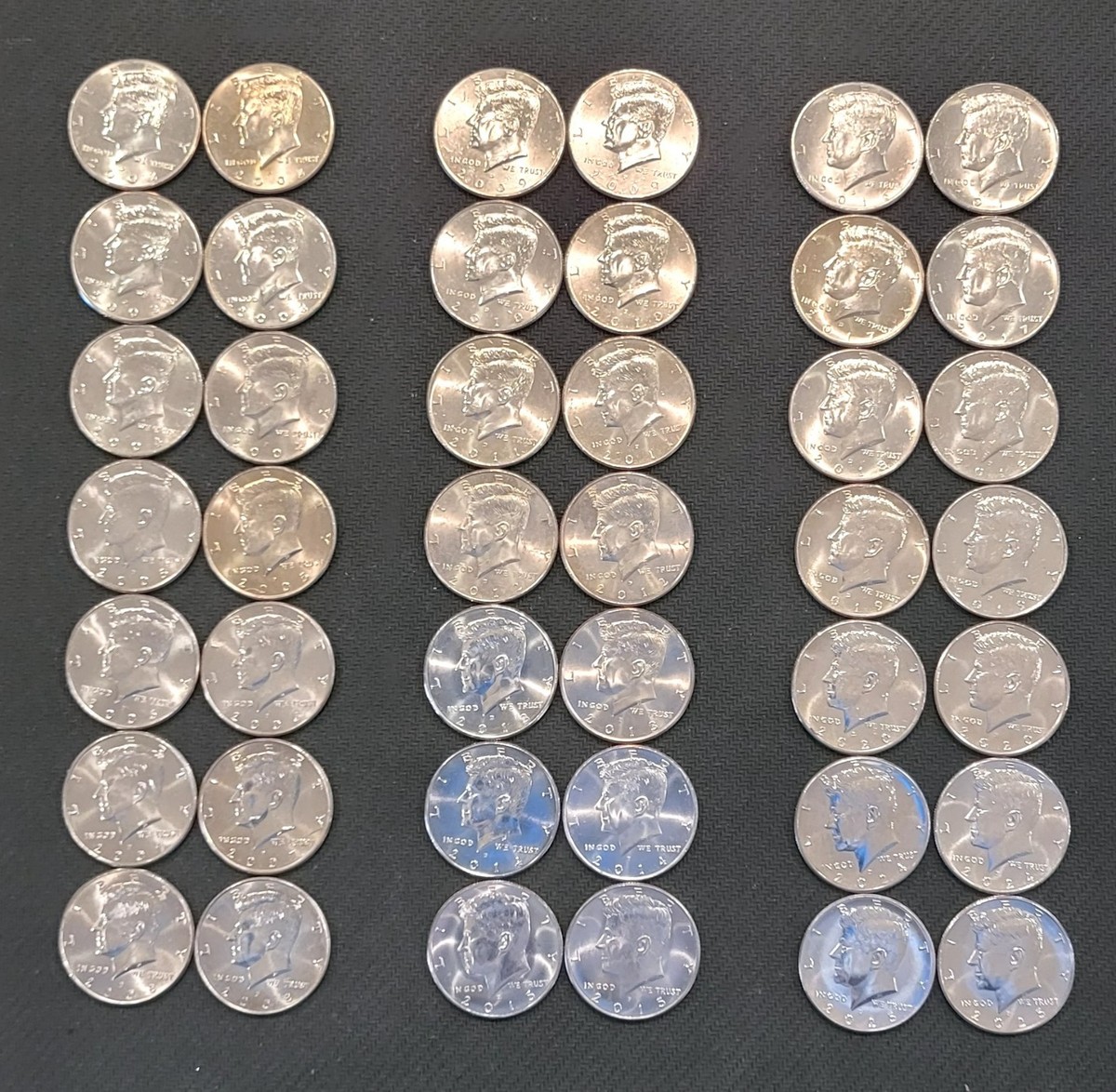
NIFC Kennedy half dollars

Half dollars made for collectors that sometimes enter circulation when rolls or sets are spent.

1

1970-D halves were not released for normal circulation and contain 40% silver.

2

1987-P and 1987-D halves were made in low numbers for collector channels.

Dollars Lesson
Dollars Beginner check

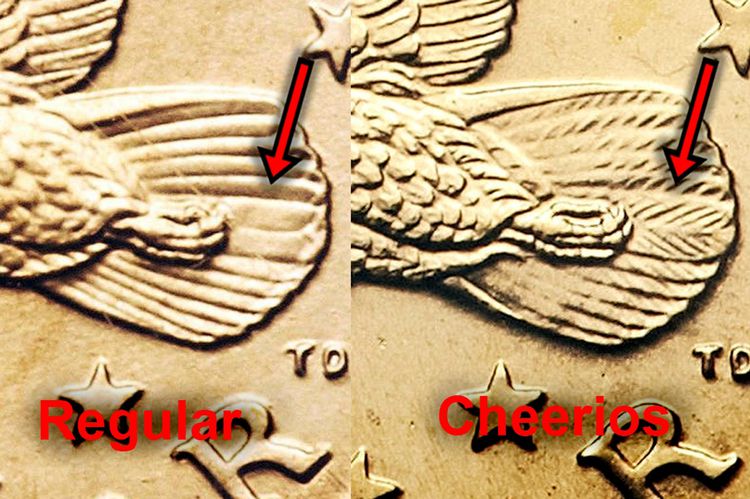
Sacagawea dollar Cheerios and Wounded Eagle varieties

Early golden dollar varieties tied to promotional releases and reverse die damage.

1

Cheerios dollars show enhanced tail feather detail compared with normal business strikes.

2

Wounded Eagle dollars show a raised die flaw line crossing the eagle on the reverse.

Errors Lesson
Errors Beginner check

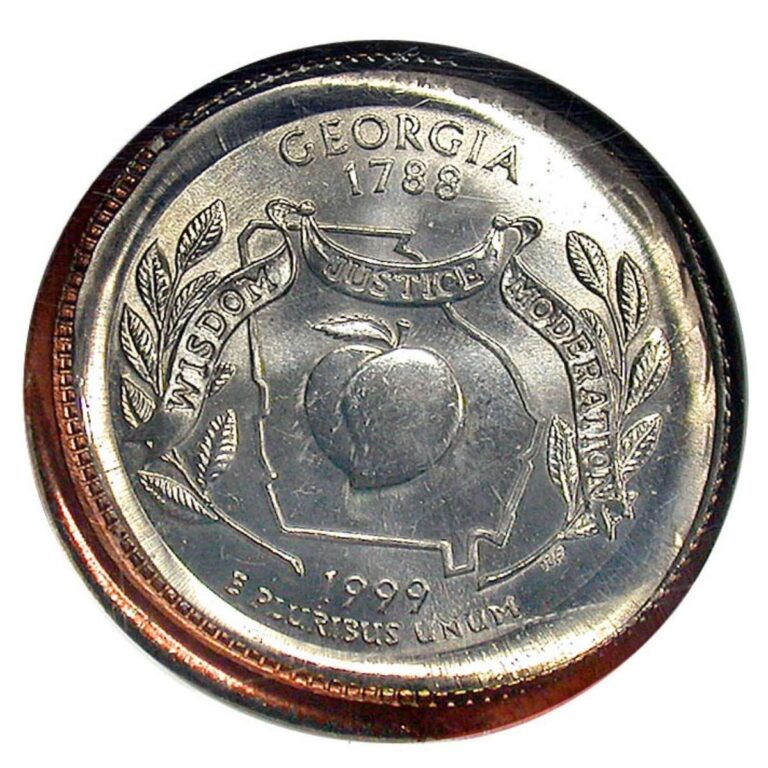
Advanced mint errors: caps, brockages, and mules

Major minting errors caused by unusual die, planchet, or press failures.

1

Die caps can form when a struck coin sticks to a die and strikes later blanks.

2

Brockages show a mirrored, incuse impression from another coin rather than the die face.

Notice Updated